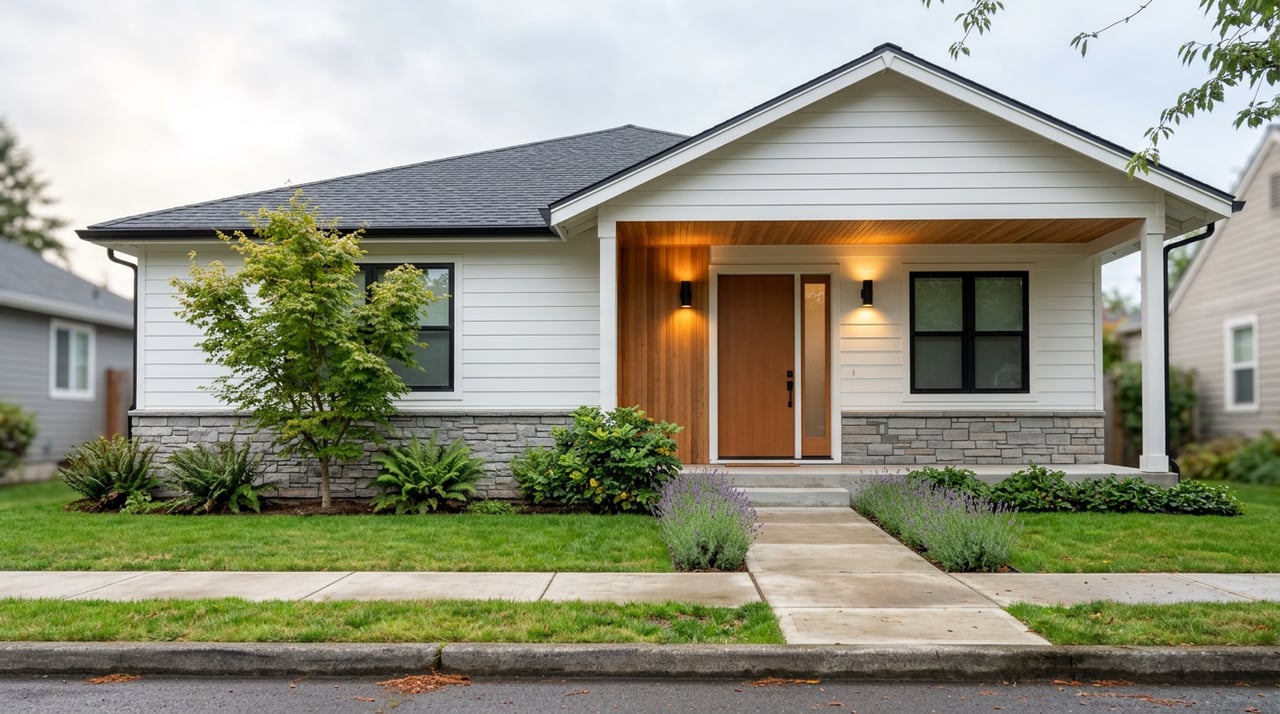
Thinking about selling your Springfield home but not sure what comes next? You want a clear path, steady guidance, and no last‑minute surprises. In this guide, you’ll learn the local timeline, Oregon’s required disclosures, how showings and offers work, what to expect during inspections and appraisal, and how closing and recording happen in Lane County. Let’s dive in.
Springfield market and timeline
Springfield’s prices and pace help set your expectations. Zillow reports a typical home value around $406,000 in Springfield, based on data through Jan 31, 2026, and Lane County’s median sold price hovered near $464,600 in mid‑2025. Both figures point to solid interest when a home is priced and presented well. See Springfield home value data.
Homes here often move to pending in a few weeks. Recent snapshots show a median of about 32 days to pending in late 2025 to early 2026, though your results can vary by price point and condition. From an accepted offer to closing, financed buyers typically need 30 to 45 days. Cash buyers can close faster.
Here is a simple flow you can plan around:
- Pre‑listing prep: 1 to 3 weeks for repairs, staging, and photography.
- Go live on the MLS: peak showing activity in the first 1 to 2 weeks.
- Offers and negotiation: usually within the first few weeks if priced right.
- Under contract: inspections, appraisal, and loan underwriting.
- Closing week: final signing, recording with Lane County, and key handoff.
Pre‑listing prep that pays off
Smart projects and staging
Plan 1 to 3 weeks for light updates and a modest staging budget. Many Oregon sellers choose a pre‑listing inspection to catch issues early and reduce renegotiations later. Industry guidance in Oregon shows that proactive prep can speed timelines and strengthen your negotiating position. Review a seller advisory for Oregon prep and inspections.
Focus your effort on simple, high‑impact steps:
- Declutter, deep clean, and neutralize odors.
- Touch up paint, fix leaks, replace burnt bulbs, and service HVAC if due.
- Boost curb appeal with tidy landscaping and a clean entry.
- Make a plan for pets and valuables before showings start.
Professional presentation matters. High‑quality photos, video, and 3D tours help buyers engage online, and thoughtful staging helps them feel at home the moment they walk in.
Gather these documents early
Collect permits, warranties, receipts for major repairs, prior inspection reports, HOA documents if applicable, and recent utility bills. Having this ready makes Oregon’s disclosure process smoother and reduces back‑and‑forth during due diligence.
Disclosures you must provide
Oregon seller’s property disclosure
Most residential sellers in Oregon must deliver the statutory Seller’s Property Disclosure form. If you do not deliver the form, the buyer can revoke their offer any time up to closing. If you deliver it, the buyer typically has five business days to revoke after receipt. This is a key legal duty. Review Oregon’s statute to understand timing and content in detail: ORS 105.464.
Lead‑based paint for pre‑1978 homes
If your home was built before 1978, federal law requires that you provide the EPA/HUD lead brochure and include lead warning language in the contract. Buyers also get a 10‑day window to conduct a lead inspection unless they waive it. Learn more from the EPA’s guidance for real estate transactions: lead disclosure and pamphlet.
Other information buyers expect
Oregon buyers often ask about radon, pest or dry rot history, repairs and permits, septic or well details if applicable, and HOA rules or fees. Many of these topics are addressed on the statutory disclosure form. Answer thoroughly and attach documents when needed, as directed by ORS 105.464.
Listing, marketing, and showings
MLS and presentation essentials
Your listing will publish to the local MLS and syndicate to major home sites. Accurate details, strong photos, and a clear features list set the tone for buyer interest. Position your inclusions and exclusions clearly so fixtures and personal property are not misunderstood. For a reality check on local values and what attracts clicks, review Springfield market data.
Showings and open houses
The first 1 to 2 weeks tend to draw the most traffic, so keep the home show‑ready. Leave during showings, secure valuables, plan for pets, and keep utilities on so buyers can test systems comfortably. Your agent will manage lockbox access and coordinate appointments to keep you safe and informed.
Offers and negotiations
Earnest money and timelines
Earnest money in Oregon is negotiated, but you can expect anything from a few thousand dollars up to roughly 1 to 3 percent of the price depending on competitiveness. It is held in escrow and applied at closing or returned if the buyer cancels properly under contingencies. See examples and norms in Oregon: earnest money overview.
Common contingency windows include:
- Inspection: usually 7 to 14 days.
- Financing: commonly 21 to 45 days, with appraisal inside this period.
These timelines are negotiable and will drive your calendar once you accept an offer. For a quick refresher on how contingencies work, read this contingency guide.
Comparing offers beyond price
Look at net proceeds, contingencies, the buyer’s financing type, and the closing timeline. Cash or strong financing with fewer contingencies can close faster. Your agent will model scenarios so you can choose the offer that best balances price, certainty, and timing.
Inspections and appraisal
Negotiating repairs or credits
After the home inspection, you may agree to targeted repairs, offer a closing credit, or hold firm and let the buyer decide within their deadline. Document any agreed repairs with receipts and permits. If work cannot be completed before closing, an escrow holdback may be proposed. These responses are common in Oregon transactions. For a state‑specific seller advisory, see this Oregon inspection guidance.
If the appraisal comes in low
If the lender’s appraisal is below the contract price, you and the buyer can renegotiate the price, the buyer can bring cash to bridge the gap, or either party can cancel if the contract allows. Your agent will prepare comparable sales and a list of improvements to support value when the appraiser asks questions.
Closing, title, and recording
Who handles closing in Oregon
Closings in Oregon are commonly run by title and escrow companies. Title insurers maintain county title plant records to underwrite and issue policies, so you can expect your Lane County title company to prepare commitments and coordinate the recording. Learn more about the title‑plant requirement in Oregon law: OR statute overview.
Title insurance and who usually pays
It is customary in Oregon for the seller to pay for the owner’s title insurance policy, while the buyer often pays for any lender’s policy and endorsements. This is a local custom and can be negotiated. See a summary of typical practice here: who pays the owner’s policy.
Lane County recording and taxes
Your deed and other documents must meet Lane County’s first‑page and formatting standards, and recording fees are paid at recording. If a document is not formatted correctly, it can be delayed or incur extra fees. Review the county’s document recording requirements.
Property taxes are prorated at closing. Lane County’s tax schedule includes a November 15 discount date, with installment dates typically in November, February, and May. If a due date lands on a weekend or holiday, the next business day applies.
Typical seller costs
Your largest expense is usually the listing brokerage commission, which is negotiated in your listing agreement. You will also see title and escrow fees, recording fees, prorated taxes, any HOA transfer fees, loan payoff, and any agreed credits or repairs. For a general Oregon overview, read about closing costs for sellers.
After closing and taxes
Federal tax basics
Many sellers may exclude up to $250,000 of gain if single or $500,000 if married filing jointly under IRS rules, if ownership and use tests are met. Every situation is unique, so speak with a tax professional and review the IRS guide for selling a home: Publication 523.
Oregon includes capital gains in state taxable income. Your tax advisor can help with timing, withholding if any, and recordkeeping for your return.
Post‑closing checklist
- Cancel or transfer utilities and services after possession transfers.
- Forward mail and update insurance, banking, and beneficiary info.
- Keep your settlement statement and recorded deed copies for tax records.
- Confirm mortgage payoff and lien release after closing.
Your Springfield selling plan with Angela
Selling is a big life step. You deserve a calm, organized plan and a strong advocate. Our team brings a client‑first approach, clear timelines, professional presentation, and responsive communication from consult to close. With high‑quality photography and optional video, aerial, and 3D tours, your home will shine where buyers look first.
If you are thinking about selling in Springfield or anywhere in Lane County, let’s map your next steps together. Connect with Angela Burrell for a friendly consult and a tailored plan for your timeline and goals.
FAQs
How long does it take to sell a home in Springfield?
- Recent snapshots show a median of about 32 days to pending in late 2025 to early 2026, and financed closings commonly take 30 to 45 days after acceptance. Your timing can be shorter or longer based on price, condition, and buyer financing.
What disclosures are required for Oregon home sellers?
- Most sellers must deliver the statutory Seller’s Property Disclosure. If you deliver it, the buyer usually has five business days to revoke; if you do not, they can revoke up to closing. Pre‑1978 homes require federal lead disclosures and a pamphlet.
What is typical earnest money in Oregon and when is it due?
- Earnest money is negotiated. It often ranges from a few thousand dollars up to about 1 to 3 percent of the price, and it is usually deposited with escrow within a few days of acceptance.
What inspection and financing timelines should I expect?
- Inspection periods commonly run 7 to 14 days. Financing periods often run 21 to 45 days, with appraisal happening inside that window. All dates are negotiable and drive your calendar after you accept an offer.
Who handles closing and recording in Lane County?
- Title and escrow companies coordinate settlement, then record your deed with the Lane County Clerk. Documents must meet first‑page and formatting rules, and fees are paid at recording.
Who usually pays for the owner’s title policy in Oregon?
- It is customary for the seller to pay for the owner’s title insurance policy in Oregon, but this is negotiable and can vary by transaction.