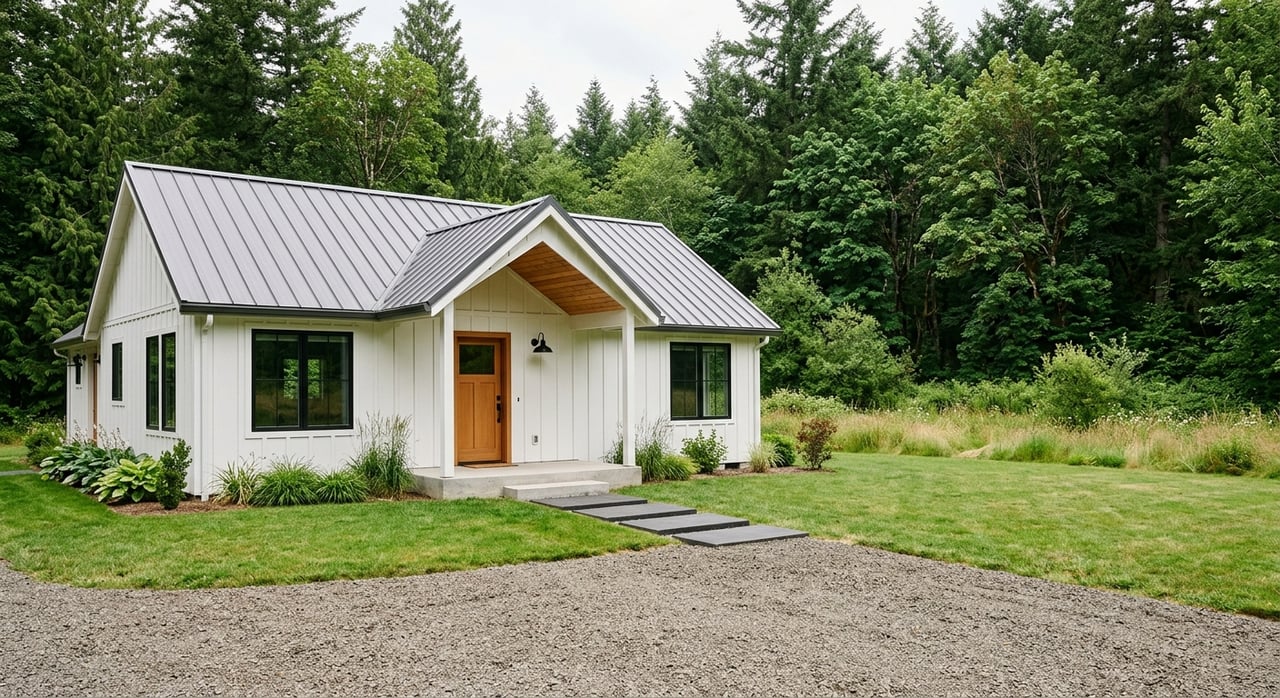
If you are dreaming about a little more space, a garden, a shop, or simply room to breathe, buying a small-acreage home in Pleasant Hill can feel like the right next step. It can also come with more moving parts than a typical in-town purchase. When you buy rural property, you are not just evaluating the house, you are evaluating the land, utilities, access, and long-term upkeep too. This guide will help you understand what to look for so you can move forward with more clarity and confidence. Let’s dive in.
Why Pleasant Hill Appeals to Acreage Buyers
Pleasant Hill offers a semi-rural setting that keeps you within reach of the Eugene-Springfield area while giving you more land and privacy than many neighborhood subdivisions. For many buyers, that balance is the draw. You may get the space you want without feeling completely disconnected from daily essentials.
For households who want local K-12 options, the Pleasant Hill School District operates elementary, middle, and high school campuses in the community. That can make the area more practical for day-to-day living if you want a rural setting with nearby school access.
What Small Acreage Means Here
In Pleasant Hill, “small acreage” is not one-size-fits-all. The exact parcel size and what you can do with the property depend on county zoning, not just the listing description or mailing address.
According to Lane County zoning information, rural residential zones often have minimum parcel sizes of 2, 5, or 10 acres, depending on the zone. In designated unincorporated communities, minimum parcel sizes can also be 1, 2, or 5 acres. That means two homes with a Pleasant Hill address may have very different zoning rules.
If future flexibility matters to you, it is smart to ask early about accessory dwelling units. Lane County states that ADUs may be allowed on Rural Residential properties of at least 2 acres, subject to siting and size requirements.
Why Parcel-Level Research Matters
A small-acreage purchase is usually a parcel-by-parcel decision. Interior finishes matter, of course, but so do the systems and land features that support daily life.
In Pleasant Hill, buyers should expect to research zoning, water, septic, fire service, access, and map-based constraints before removing contingencies. A property can look ideal at first glance, but the real question is whether the lot works for how you plan to live on it.
Lane County offers online map tools that let you review tax and sales history, planning and zoning, wetlands, floodplain, streams, soils, road restrictions, fire providers, road closures, and storm-road status. These tools can help you build a clearer picture of the property before you commit.
Check the Water Source Early
Many small-acreage homes rely on a private well rather than a municipal water system. That shifts more responsibility to you as the property owner.
Under Oregon’s Domestic Well Testing Act, sellers in a real estate transaction must test well water for arsenic, nitrate, and total coliform bacteria, then provide the results and required reporting form. That gives you an important baseline during the transaction.
It is also helpful to think beyond the required test. Oregon agencies note that private well owners are responsible for water safety and recommend regular private well testing, generally every one to two years. If you are comparing acreage properties, a functioning well is not just a box to check. It is a core part of the home’s livability and upkeep.
Understand the Septic System
Septic is another big part of rural due diligence. If the property has an existing septic system, a professional evaluation is a smart step during the buying process.
The Oregon Department of Environmental Quality recommends a professional septic evaluation when buying or selling a home. If you are looking at undeveloped land or a property with expansion potential, ask whether the site has already been evaluated and whether the approved system location supports your intended use.
This is especially important if changes have been made to the site. DEQ notes that construction or site changes like wells, fill, or driveways can affect whether a property still matches an earlier approval or evaluation. In other words, what was approved years ago may not fully reflect current conditions.
Wildfire Planning Is Part of Ownership
Pleasant Hill’s rural setting comes with real lifestyle benefits, but it also means wildfire awareness should be part of your buying decision. Lane County’s Community Wildfire Protection Plan places Pleasant Hill and the Highway 58 corridor within the county’s wildland-urban interface network.
That does not mean every parcel carries the same risk, but it does mean wildfire planning is part of ownership in this area. Vegetation management, defensible space, and access for emergency response are practical considerations, not abstract ones.
Oregon’s wildfire hazard information notes that properties in high-hazard WUI areas may be subject to defensible-space standards and home-hardening codes. Before you buy, it is worth checking the property’s hazard information and understanding what ongoing maintenance may be expected.
Confirm Fire District and Emergency Access
On acreage, emergency response is not something to assume. You want to know which fire district serves the property and whether access is straightforward for larger vehicles.
Lane County lists Pleasant Hill Goshen Fire & Rescue and other local fire districts, and the county also provides tools to confirm the fire provider for a specific address. This matters because service boundaries can vary by parcel.
Access deserves the same attention. A long driveway, private road, narrow gate, or seasonal road issue can affect daily convenience as well as emergency response. For many buyers, this is one of the biggest differences between owning acreage and owning a home on a standard city lot.
Think About Daily Maintenance
Extra land can be wonderful, but it usually comes with extra responsibility. You may be maintaining vegetation, monitoring drainage, caring for a well and septic system, and keeping an eye on driveway conditions or storm impacts.
That does not make acreage ownership a bad fit. It just means the lifestyle works best when you go in with clear expectations. If you want more privacy and usable land, Pleasant Hill can offer that, but the tradeoff is a more hands-on property.
A good question to ask yourself is this: do you want land, or do you want the idea of land? The right property feels much better when the level of upkeep matches your comfort, time, and budget.
Questions to Ask Before You Offer
When you are touring a small-acreage home in Pleasant Hill, these questions can help you focus on what matters most:
- What is the exact zoning, and what does it allow?
- What are the parcel size requirements for this specific lot?
- Does the property use a private well, and are recent test results available?
- Does the home have septic, and has it been professionally evaluated?
- Is an ADU allowed if that matters to your long-term plans?
- Which fire district serves the property?
- Are there floodplain, wetland, stream, or soils concerns shown in county maps?
- How is road access during storms, winter weather, or high-fire-risk periods?
- Have there been site changes that could affect prior approvals?
These are the kinds of details that can shape both your negotiation strategy and your confidence level moving forward.
How to Buy With More Confidence
Buying a small-acreage home in Pleasant Hill is often less about finding a perfect house and more about finding the right overall fit. The home, land, systems, and location all need to work together for your goals.
That is why a clear plan matters. When you know how to evaluate zoning, utilities, wildfire considerations, and access before you get too far down the road, you can avoid surprises and make a stronger decision.
If Pleasant Hill is on your radar, it helps to work with someone who understands that country properties require a different lens than a typical in-town home search. If you want a steady, low-stress approach to sorting through the details, connect with Angela Burrell for guidance tailored to your next move.
FAQs
What should you check first when buying small acreage in Pleasant Hill?
- Start with parcel-specific basics like zoning, water source, septic, access, fire district, and county map overlays, since these can affect how the property functions and what you can do with it.
Does a Pleasant Hill small-acreage home usually have a private well?
- Many rural properties do, and Oregon requires seller well testing for arsenic, nitrate, and total coliform bacteria during a real estate transaction if the home uses a domestic well.
Do Pleasant Hill acreage properties always have the same zoning rules?
- No. Lane County zoning varies by parcel, and minimum lot sizes can differ depending on the zoning designation and map location.
Is wildfire risk part of buying a home in Pleasant Hill?
- Yes. Lane County identifies Pleasant Hill within its wildland-urban interface network, so wildfire planning, defensible space, and access should be part of your due diligence.
Can you add an ADU on a small-acreage property in Pleasant Hill?
- Possibly. Lane County says ADUs may be allowed on Rural Residential properties of at least 2 acres, subject to siting and size conditions.
Why is buying acreage in Pleasant Hill different from buying in town?
- Acreage purchases often involve more due diligence around wells, septic systems, wildfire exposure, access, drainage, and land-use rules, so the property needs to be evaluated as a whole, not just as a house.