Looking at homes in Cottage Grove and wondering why one street feels full of early-era charm while another offers newer layouts and simpler upkeep? You are not imagining it. Cottage Grove has a genuinely varied housing mix, and that can be a real advantage when you know what to look for. This guide will help you understand how historic homes, newer construction, and rural-edge properties differ so you can focus on the fit that makes your next move feel clear and manageable. Let’s dive in.
Why Cottage Grove Feels So Mixed
Cottage Grove is a small city with an estimated 10,690 residents, 4,225 households, and a 59.0% owner-occupied housing rate based on recent Census estimates. The same estimates show a median owner-occupied home value of $346,600 and median gross rent of $1,254. That points to a market with a range of housing choices rather than one narrow type of home.
A big reason for that variety is the age of the housing stock. According to the city’s 2018 Housing Needs Analysis, about 22% of dwelling-unit structures were built before 1940, and about 66% were built before 1980. In practical terms, that means you will see a lot of mature homes with older floor plans, older materials, and established settings alongside newer housing that has continued to come online.
Historic Homes in Cottage Grove
Downtown history shapes the market
Downtown Cottage Grove was listed on the National Register of Historic Places in 1992, and the Downtown National Register Historic District is also a local historic district. The city notes that local Historic Preservation standards in the development code apply to structures in that district. Its historic district FAQ also says any building over 50 years old may qualify as historic.
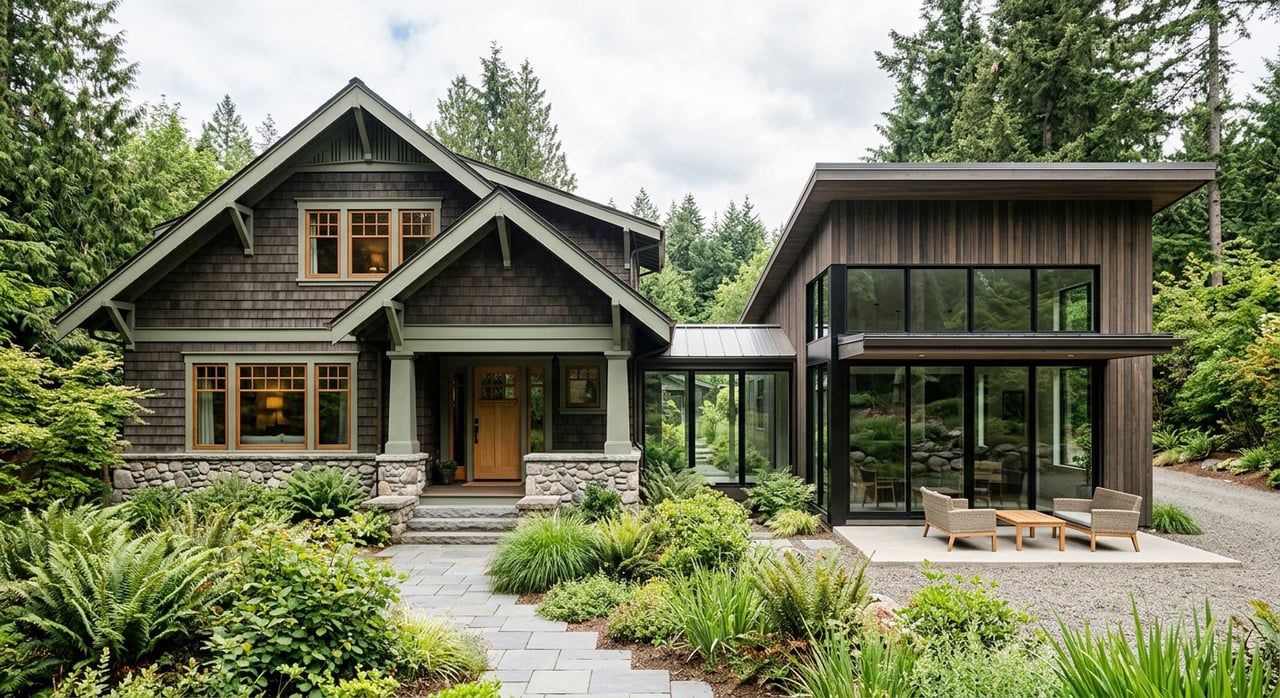
If you are drawn to older homes, that can be a meaningful part of the appeal. Historic properties often stand out for details, texture, and a sense of place that newer homes may not try to replicate. At the same time, buying in a historic area means understanding that exterior changes may involve an extra layer of review.
What preservation review means for you
The city’s applications page says projects involving the historic district may require review. The Historic Preservation Commission also reviews applications for alteration or destruction of historic landmarks. That does not mean updates are impossible, but it does mean you should plan renovations carefully, especially anything that changes the outside of the home.
The city’s preservation plan says downtown design guidelines are intended to help owners restore, rehabilitate, and maintain historic properties. Those guidelines are based on the Secretary of the Interior’s rehabilitation standards. For you as a buyer, the takeaway is simple: a historic home can be rewarding, but it usually works best when you are comfortable thinking ahead about maintenance and design decisions.
Historic homes can come with support too
There is another side to the story that buyers sometimes miss. Cottage Grove offers Historic Renovation Grants for exterior work on contributing properties within the National Register Historic District. That tells you older homes are not just subject to rules. They are also supported as part of the city’s identity.
If you love older architecture and want to preserve what makes a home special, that local support matters. It helps reinforce that historic ownership here is about stewardship as much as style.
Newer Homes and Infill Options
Newer housing is not all one style
Cottage Grove is not only a downtown historic market. Recent city planning documents say single-family and duplex development has been occurring slowly on infill lots throughout the community and in several large subdivisions under development. A 2022 housing implementation report said the city permitted more than 200 residential units in 2020 and 2021 across many housing types.
Those types included single-family homes, duplexes, triplexes, fourplexes, tiny homes, accessory dwelling units, land-trust units, senior housing, apartments, and townhomes. That is a broader mix than many buyers expect in a smaller city. If you want newer construction or a lower-maintenance setup, Cottage Grove gives you more than one path.
What newer homes may offer
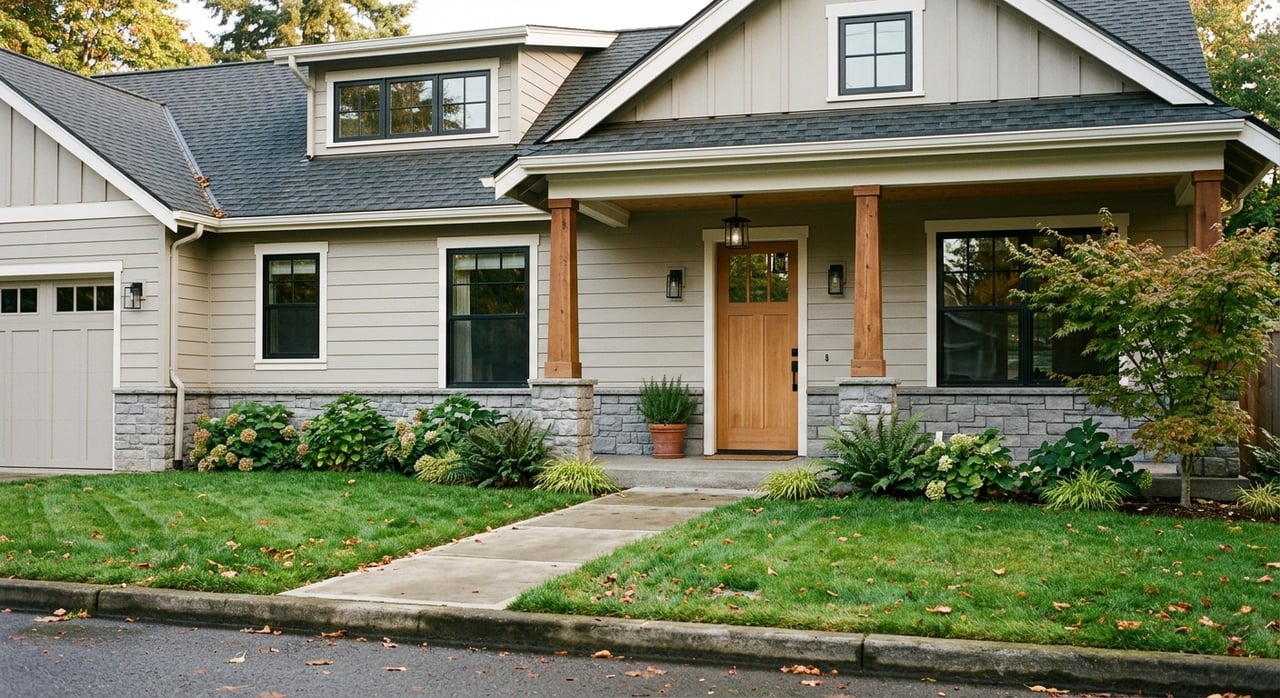
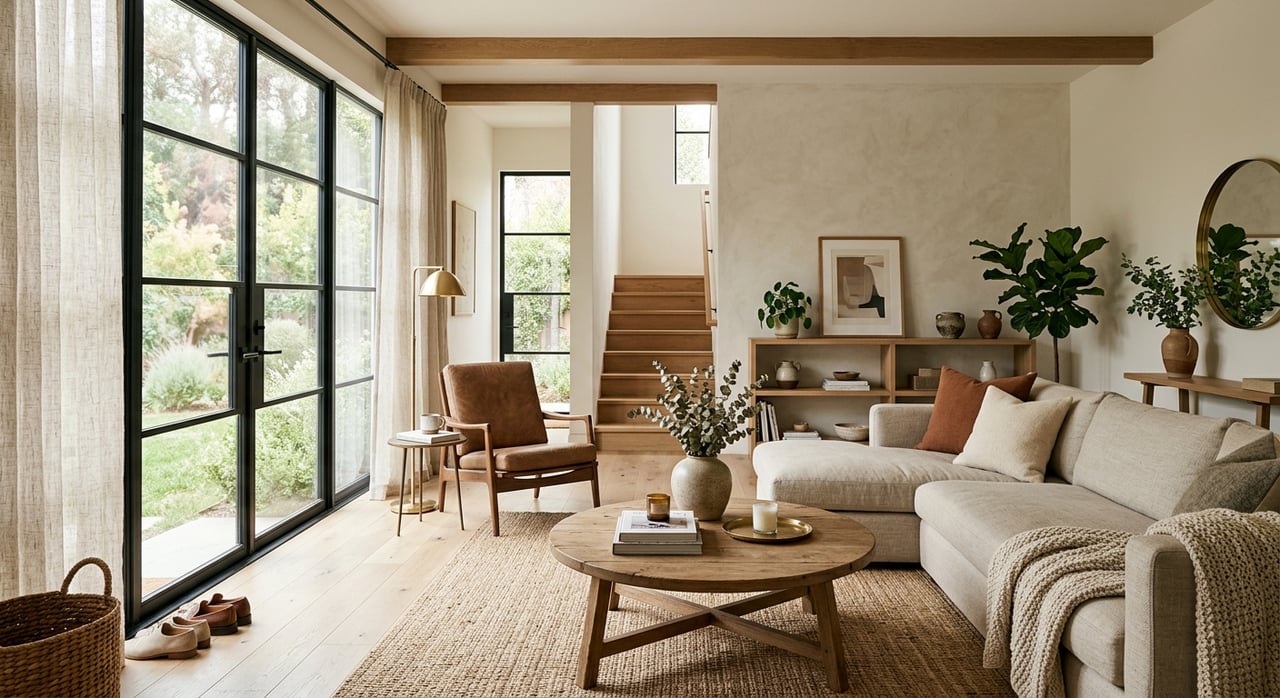
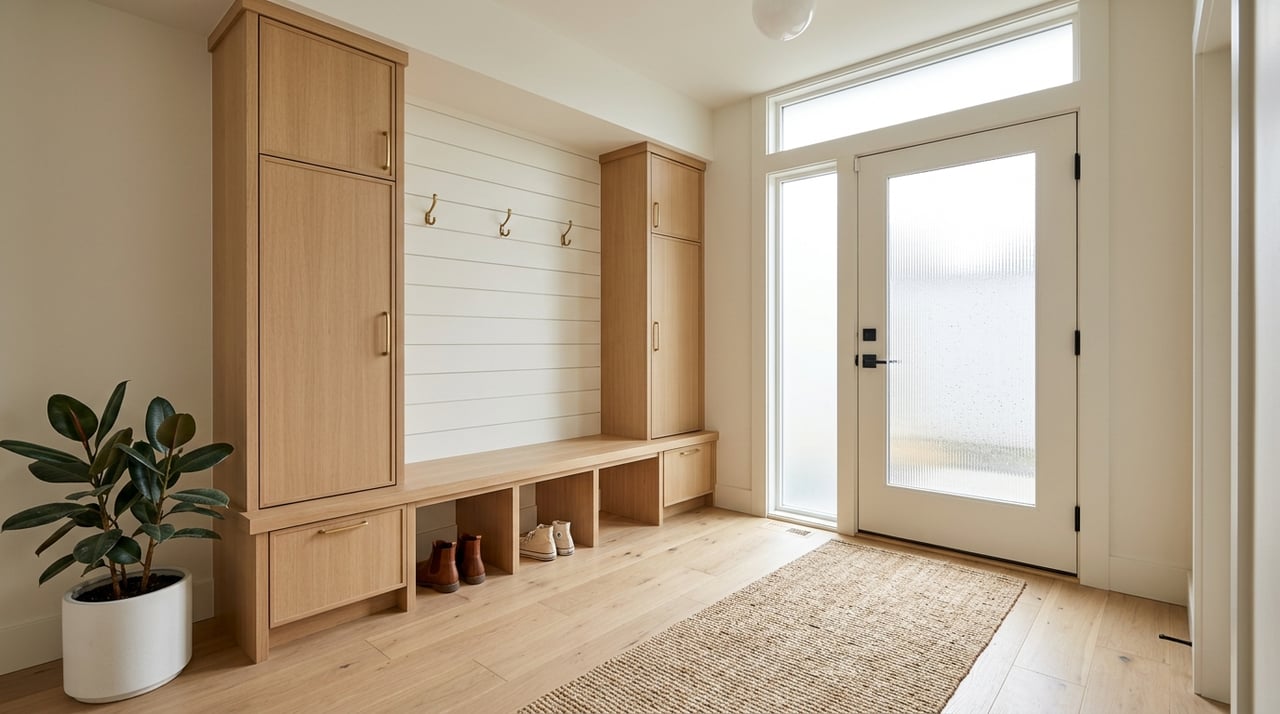
Newer homes often appeal to buyers who want more current layouts and less immediate repair work. Depending on the property, you may find more open common spaces, simpler exterior upkeep, and systems that are newer than what you would see in a much older home. The exact features will vary, but the overall appeal is usually convenience and predictability.
The city’s application list also shows how broad the newer-housing pipeline can be. Type I applications include single-family dwellings, duplexes, manufactured homes, and accessory dwelling units, while other application types cover subdivisions, site design review, and multifamily-related reviews. In other words, newer housing here spans detached homes, attached homes, and smaller multifamily formats.
Lot size matters in newer areas
A city planning document says new housing is built on lots ranging from 5,500 to 9,000 square feet. It also notes minimum lot sizes of 6,000 square feet in low-density residential districts and 5,500 square feet in medium-density districts. That gives you a useful benchmark when comparing yard size, privacy, and how much outdoor work you want to take on.
For some buyers, a smaller lot feels like freedom because there is less maintenance. For others, more outdoor space is worth the extra work. Knowing your comfort level with exterior upkeep can help you narrow the search quickly.
Rural-Edge and Acreage Properties
Why edge-of-town homes feel different
Cottage Grove’s planning documents emphasize keeping growth inside the urbanized area while preserving agricultural and forest lands and encouraging less intensive rural uses on marginal lands. The city’s 2023 natural hazards mitigation plan draft says the urban growth boundary contains 3,294 acres and that 63% of the UGB is designated for residential use. That helps explain why you can find both in-town neighborhoods and edge-of-town properties with more land.
If you are comparing a house near the center of town with a property on the edge, the biggest difference may not be the home itself. It may be the land, the utility setup, and the long-term maintenance responsibilities that come with it.
Utilities need closer review
This is where due diligence becomes especially important. Cottage Grove owns and operates its own water supply and wastewater systems within the city, but Lane County regulates septic systems for properties not served by community sewer systems. That means rural-edge homes may not have the same utility setup as in-town homes.
For homes with private wells, Oregon Health Authority rules say the seller must test the well water during a real estate transaction and provide the results to the buyer. The required results include arsenic, nitrate, and total coliform bacteria. If you are buying near the rural edge, it is smart to verify whether the property is on city water and sewer or relies on a private well and septic system.
Questions to ask on rural-edge homes
When you tour a home with more land, ask practical questions early:
- Is the property connected to city water?
- Is it connected to city sewer, or does it use a septic system?
- If there is a private well, what testing information is available?
- What maintenance or replacement costs may come with the current systems?
These details can affect both your monthly costs and your day-to-day experience in the home. They are especially important if you are moving from a more traditional in-town neighborhood and are new to acreage-style living.
How to Compare Old vs. New in Cottage Grove
Focus on fit, not just age
The best way to understand Cottage Grove is as a three-part market. You have historic in-town homes with preservation rules, newer infill or subdivision homes with a wider range of layouts, and rural-edge properties that require closer attention to water, wastewater, and site infrastructure. That framework can make your search feel much less overwhelming.
The real question is not whether old is better than new. The better question is which combination of layout, lot size, utility setup, and renovation flexibility matches your goals.
A simple way to think about it
If you are deciding between home types, this quick breakdown can help:
- Historic homes: Best for buyers who value character and are comfortable planning renovation work carefully.
- Newer homes: Best for buyers who want more current layouts and a wider mix of housing formats.
- Rural-edge homes: Best for buyers who want more land and are ready to verify utilities and ongoing site needs.
None of these categories is automatically better. Each one simply asks something different of you as an owner.
What Buyers Should Watch Closely
Renovation plans
If you are considering an older home, think beyond paint colors and cosmetic updates. Exterior changes in historic areas may require review, so it helps to understand that process before you fall in love with a project. Buyers who plan ahead usually feel more confident once they own the home.
This is also where it helps to work with someone who can see possibilities without glossing over the work involved. A home with upside can be a great fit, but only if the scope matches your time, budget, and energy.
Maintenance tolerance
Every home comes with upkeep, but the type of upkeep changes from one property style to another. An older in-town home may ask more of you in terms of systems and long-term maintenance planning. A newer home may reduce some of that upfront effort, while a rural-edge home may shift the work toward land care and utility systems.
Being honest about your maintenance tolerance can save you stress later. It is one of the most useful filters you can bring to your home search.
Long-term lifestyle
Think about how you want to live, not just what you want to buy. Do you want walkable in-town surroundings and established character? Would you rather have a newer layout and simpler upkeep? Or do you picture more elbow room and a property that feels a bit more removed from town?
Cottage Grove gives you options across all three. The key is choosing the one that supports your daily life, not just your wish list.
If you are weighing historic charm against newer convenience, or trying to make sense of a rural-edge property, having calm local guidance can make the process much easier. When you are ready to sort through the options and build a plan that fits your next chapter, connect with Angela Burrell.
FAQs
What makes Cottage Grove homes look so different from one area to another?
- Cottage Grove has a large share of older housing, with about 22% of dwelling-unit structures built before 1940 and about 66% built before 1980, while newer infill and subdivision development has also added more recent housing types.
What should buyers know about historic homes in Cottage Grove?
- Buyers should know that homes in the Downtown National Register Historic District may be subject to local Historic Preservation standards, and some exterior projects may require review.
What kinds of newer homes are available in Cottage Grove?
- Recent city documents show a wide range of newer housing types, including single-family homes, duplexes, triplexes, fourplexes, tiny homes, accessory dwelling units, apartments, and townhomes.
What should buyers check on rural-edge properties near Cottage Grove?
- Buyers should verify whether the home is on city water and sewer or uses a private well and septic system, and they should review available well testing information when applicable.
Are there grants for historic properties in Cottage Grove?
- Yes, Cottage Grove offers Historic Renovation Grants for exterior work on contributing properties within the National Register Historic District.