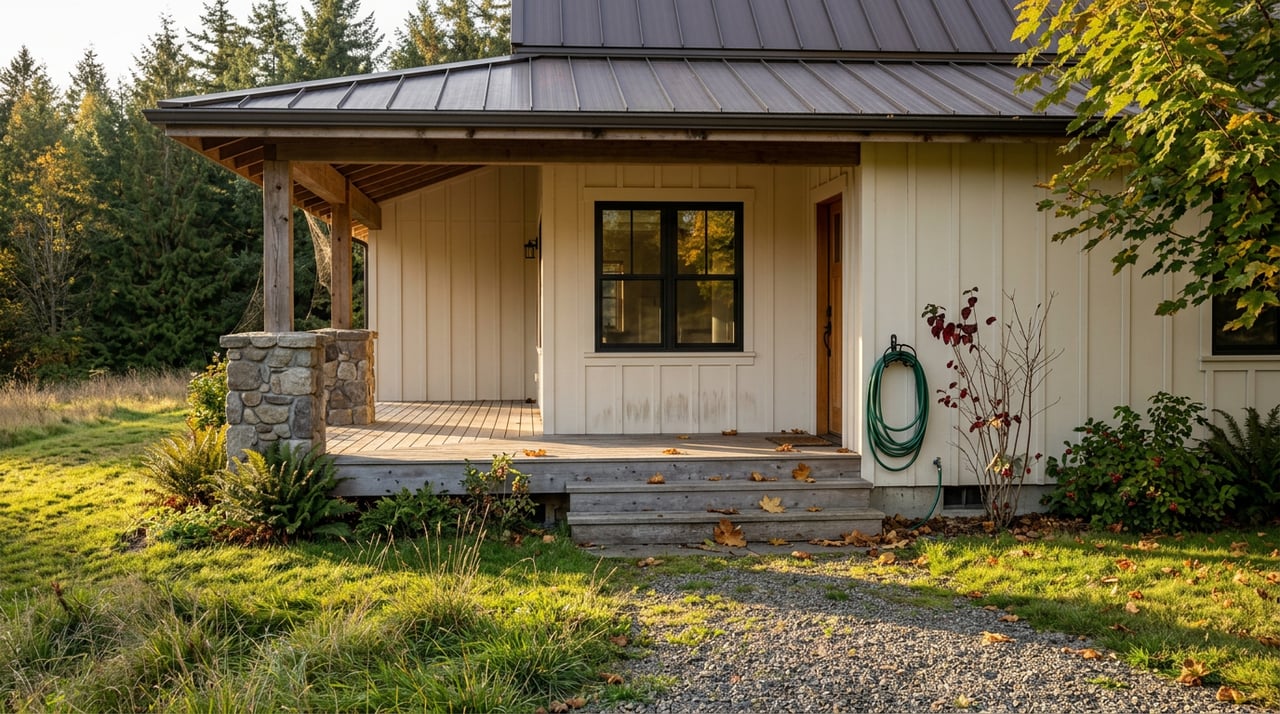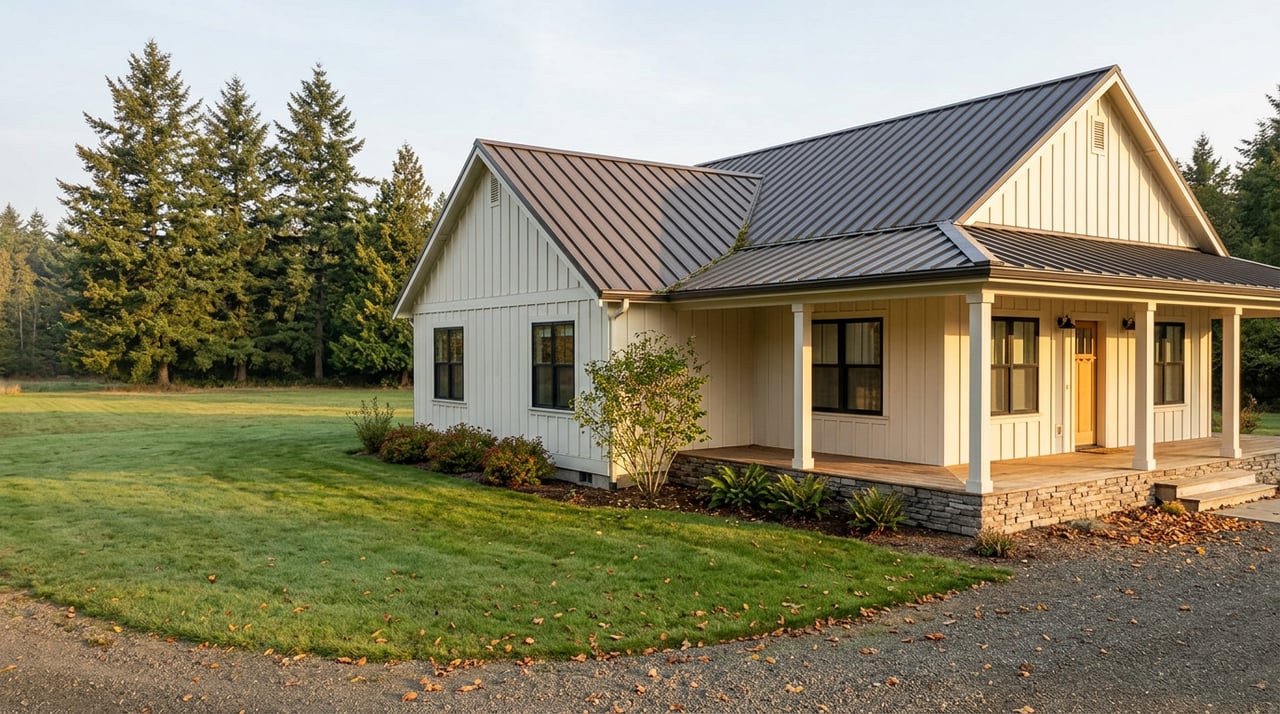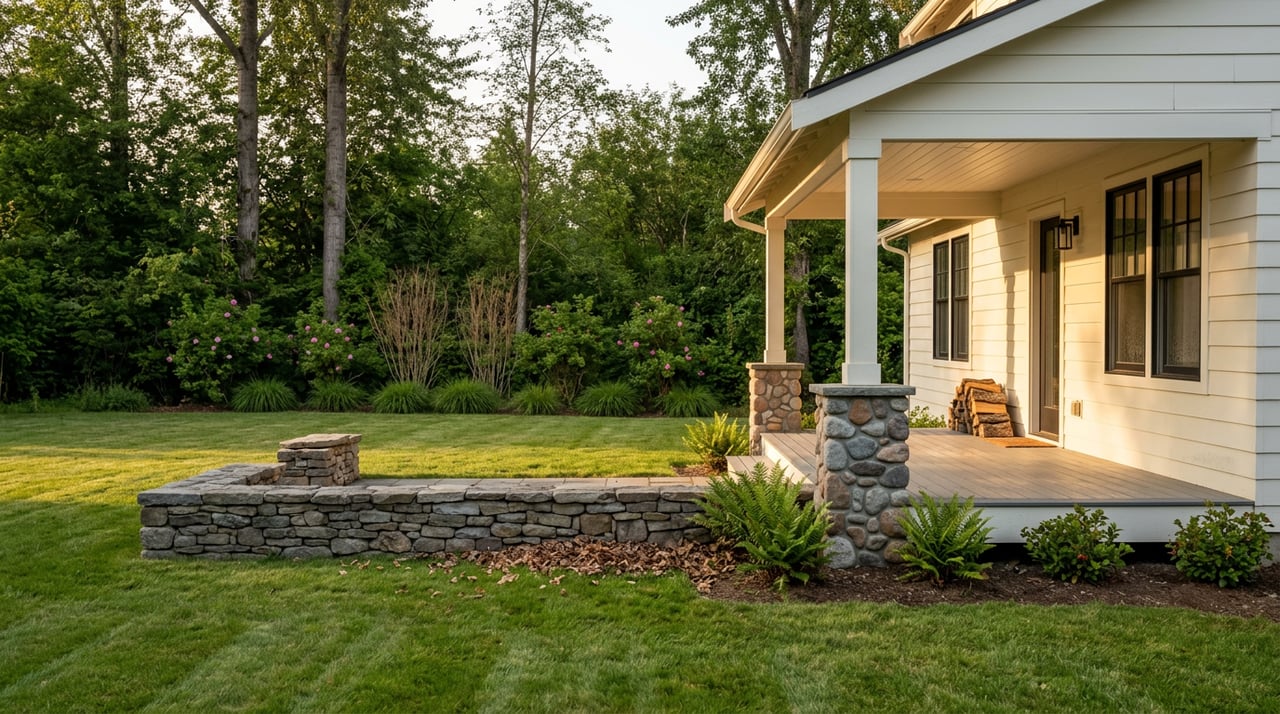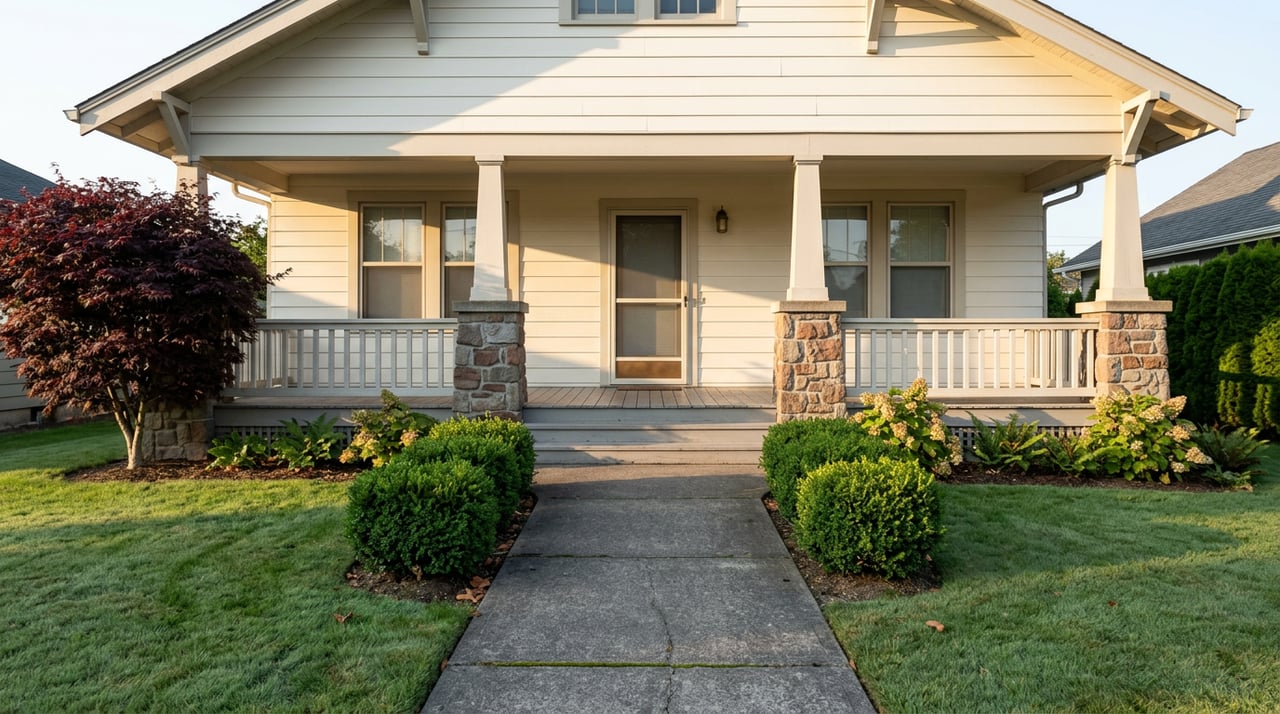
Drive through Junction City's older blocks near Main Street and you'll see homes that look like they've never needed anything more than a septic tank and a good pump every few years. Head three blocks over to the newer construction along Highway 99, or out past the edge of town toward Cheshire and the Long Tom River, and the wastewater picture changes completely, sometimes lot by lot. What decides which category a house falls into isn't its age, its charm, or how rural it looks from the street. It's a line in the city's own code that most sellers have never read and most buyers never ask about.
Junction City's municipal code is direct about this. Chapter 13.20 states plainly that it is unlawful to retain the use of septic tanks, cesspools, or dry wells once a property sits within 150 feet of the city's sanitary sewer. When a sewer connection is made, the code requires that any septic tank, cesspool, or dry well be permanently disconnected and its use permanently abandoned, filled in if leaving it in place would create a hazard.
That single rule is the reason two homes that look nearly identical from the curb can be sitting on completely different legal footing when it comes time to sell.
Three Addresses, Three Different Wastewater Realities
Junction City isn't one wastewater market. It's three, and they rarely overlap.
| Where | What controls the wastewater | What to actually check |
|---|---|---|
| Older homes near historic downtown, off Main Street | City code, once sewer is within 150 feet | Whether the property was ever formally connected, or if septic use predates and outlived the sewer expansion |
| Newer subdivisions like The Reserves, built along the Highway 99 corridor | Already sewer-connected from construction | Nothing unusual, though a sewer scope on any resale is still smart |
| Rural acreage toward Cheshire, Harrisburg, and the Long Tom River | Oregon DEQ septic permitting, not city code | Permit history, tank sizing for bedroom count, and whether a replacement drainfield area is set aside |
The Reserves is a useful example of the second category. It's a Lennar-built neighborhood where floor plans like the Del Rey have gone in since the early 2020s, roughly 15 minutes from the Eugene Airport and about 25 minutes from downtown Eugene. Homes there were built already tied into city sewer. The 150-foot rule never comes into play because there was never a septic system to abandon in the first place.
The historic core is a different story. A restoration contractor working across Junction City has described the town's building stock in almost the same three-way split as the table above: homes in the historic downtown core, newer construction along Highway 99, and rural properties stretching toward Harrisburg and Cheshire. That's not a coincidence. It's how the wastewater question actually breaks down on the ground.
What This Means If You're Selling an Older Home Near Downtown
If your home sits in that historic core and still relies on a septic tank, the question a buyer's agent or lender may eventually ask isn't just "does it work." It's "was this ever supposed to be connected to sewer, and if so, was it done properly." A tank that's been faithfully pumped every few years can still be sitting in violation of a code provision that's been on the books, in its current form, since an ordinance update in 1982.
The city's own code lays out what a proper connection requires: a permit from the city recorder, and per the fee schedule currently written into that code, a $50 connection charge plus a $25 inspection fee. Those numbers are decades old and almost certainly understate what the actual work costs today once you add trenching, plumbing labor, and decommissioning the old tank. But they tell you the process exists and that it runs through Junction City Public Works, not through your title company.
Before listing an older home near downtown, it's worth a call to Public Works to ask whether the parcel has any record of a sewer connection permit. If there isn't one and the home is within that 150-foot threshold, that's information a seller wants to know before an appraiser or a buyer's inspector finds it first.
What This Means If You're Buying One
A seller's disclosure form that lists "septic" doesn't tell you whether that septic system is legal to keep. It only tells you what's currently in the ground. Junction City's own sewer system isn't small or informal. The city maintains roughly 33 miles of gravity sewer line and 529 manholes, feeding into two lagoons west of town that treat effluent for about a month before it's discharged into Flat Creek. That's a lot of buried pipe running near a lot of older lots, and proximity to that pipe, not the character of the neighborhood, is what triggers the abandonment requirement.
If you're buying an older home near Main Street or the historic core, ask directly whether the parcel is within reach of that sewer main, and if so, whether the connection was ever made. Don't assume "sewer available" language in a listing description means the specific house is legally using it.
The Aging Pipes Are a Separate Problem
Even homes that connected to sewer decades ago aren't automatically in the clear. Contractors working the area note that many of Junction City's older homes are tied into aging sewer lines prone to root intrusion, pipe deterioration, and stubborn clogs, simply because of how old the infrastructure is. Oregon's official buyer advisory, endorsed by the state's real estate regulator, puts the cost of a sewer backup at $5,000 on the low end and $15,000 to $20,000 once it escalates, and recommends a camera-based sewer scope regardless of a home's age.
The legal question of whether a house was ever supposed to connect and the practical question of whether the pipe it's connected to is actually sound turn out to be two separate items on the same due diligence list, not one.
Outside City Limits, a Completely Different Set of Questions
Once you're past the edge of town, toward Cheshire, Harrisburg, or the farm roads near the Long Tom River, city code doesn't apply at all. These properties run on septic and well by design, not by exception, and Oregon's Department of Environmental Quality is the relevant authority instead of the city recorder.
For a rural purchase, the useful questions are different ones. Was the system installed with a permit, since Oregon has required them since 1972 in most counties, earlier in some. Is the tank sized correctly for the home, a standard benchmark being 450 gallons per day for a four-bedroom house. Is there a replacement drainfield area set aside in case the current one ever fails. None of this is required by state law to be inspected at resale unless a lender makes it a loan condition, which is a different mechanism entirely from the sewer question in town.
Well service in this stretch is a live, ongoing need, not a legacy concern. Local well and pump companies cover Junction City's rural fringe with round-the-clock emergency calls, which says something about how much day-to-day maintenance these systems actually require compared to a home already tied into city sewer.
A Sequence Worth Running Before You List or Offer
- Confirm which of the three zones the property sits in: historic core, Highway 99 corridor subdivision, or rural acreage.
- If it's in town, call Junction City Public Works and ask for any sewer connection permit on file for the parcel.
- If there's no record and the home is near a sewer main, treat that as a disclosure item, not an afterthought.
- Whether the home is on sewer or septic, order a sewer scope or septic inspection before removing contingencies, since age alone won't tell you which one you're dealing with.
- For rural acreage, request the DEQ septic file and confirm a replacement drainfield area exists.
A Few Questions Worth Asking Before You Sign Anything
Does this affect homes in The Reserves or other new construction? No. Those subdivisions were built already connected to city sewer, so the 150-foot rule and the abandonment requirement never come into play.
My in-town septic system works fine. Why would I need to change anything? A working tank and a code-compliant one aren't always the same thing. If the property sits within reach of city sewer, the system working well today doesn't resolve whether it was ever supposed to be converted.
Who pays the connection fee if one is required at sale? The code doesn't assign that cost to buyer or seller. It's a line item worth raising directly in the purchase agreement rather than assuming it lands on one side by default.
Junction City rewards buyers and sellers who ask specific questions instead of general ones. The house won't tell you which wastewater rules apply to it. The parcel's distance from a sewer main will.
If you're weighing an older home near downtown, a newer build out on the Highway 99 corridor, or acreage toward the Long Tom River, Angela Burrell can help you sort out which questions actually apply to your specific address before you write an offer or sign a listing agreement. Reach out for a free consult, and let's build a clear plan for what comes next.