If you work in Eugene but want more elbow room at home, Pleasant Hill is worth a closer look. Many buyers are trying to balance commute time, daily convenience, and the kind of space that can feel harder to find closer to town. This guide will help you understand what everyday life in Pleasant Hill can look like, especially if your routine still revolves around Eugene. Let’s dive in.
Pleasant Hill at a glance
Pleasant Hill is an unincorporated community in Lane County, not a standalone city. That matters because it helps explain why the area often feels more rural and residential than a typical town with a defined downtown core.
The broader Pleasant Hill CCD has a population of 5,514 spread across 59.6 square miles. It also has a median age of 47.2, which points to an established community with a quieter, more spread-out feel.
Eugene commute from Pleasant Hill
For many buyers, the first question is simple: how hard is the drive? By regional standards, Pleasant Hill offers a manageable trip into Eugene, with a drive of about 10.7 road miles and roughly 14 minutes by car.
That short drive is a big reason Pleasant Hill appeals to Eugene commuters. You can keep relatively easy access to work and city services while living in a setting that feels less dense and more open.
Transit options to Eugene
If you do not want to drive every day, there is also limited public transit service. Lane Transit District Route 92 connects Pleasant Hill with Eugene Station in about 29 minutes, with direct service three times a day Monday through Saturday.
That is not the kind of all-day frequency you might expect in a larger city, but it can still be useful for some schedules. If transit flexibility is important to you, it is smart to factor that into your home search and daily planning.
Springfield is also within reach
Pleasant Hill is not only practical for Eugene commuters. Springfield is also a manageable drive, with a directional estimate of about 12 to 15 minutes via Highway 58.
When you look at the broader Pleasant Hill profile, the mean travel time to work is 21.3 minutes. That suggests commuting into Eugene or Springfield fits well within the local norm rather than feeling like a major trek.
What daily life feels like
Pleasant Hill is the kind of place where daily life tends to be shaped by home, routine, and community spaces. Instead of a busy urban rhythm, you are more likely to experience a quieter pace with local essentials nearby and larger errands handled in Eugene or Springfield.
For many residents, that tradeoff is the point. You are choosing breathing room and a rural feel while staying close enough to larger city amenities when you need them.
Community-centered amenities
Pleasant Hill’s local infrastructure is modest but meaningful. The Pleasant Hill School District serves elementary, middle, and high school grades, and the Pleasant Hill Community Center is used for meetings, facility rentals, and the district’s Family Resource Center.
That gives the area a community-centered hub rather than a traditional commercial center. It can make everyday life feel more connected to local events, shared spaces, and practical routines.
Basic services close to home
Healthcare access is part of the everyday picture too. Oregon’s health-facility directory lists PeaceHealth Medical Group Pleasant Hill Clinic at 35859 Highway 58.
Having a local clinic adds convenience for routine needs. It also supports the idea that while Pleasant Hill is rural in feel, it is not cut off from basic day-to-day services.
Outdoor access is part of the lifestyle
One of the strongest parts of everyday life in Pleasant Hill is how easy it is to build outdoor time into your routine. If you enjoy open space, scenic drives, or simple weekend outings, the location supports that naturally.
Elijah Bristow State Park sits about 10 miles east of Pleasant Hill on Highway 58. That gives you a nearby option for getting outside without turning every outing into a major trip.
For many buyers, this is part of the real value of living here. Home does not just mean the house itself. It also means access to a quieter setting and a more outdoors-oriented rhythm.
Where you go for shopping and dining
Pleasant Hill covers some everyday basics, but Eugene remains the larger service hub for many residents. That is where many people go for broader shopping, dining, arts, entertainment, and events.
Travel Oregon describes Eugene as Oregon’s second-largest city and highlights its mix of arts and culture, shopping and dining, entertainment and sports. In practical terms, that means you can enjoy a more rural home base without giving up access to a fuller range of activities.
This setup often works well for commuters. You can keep work, restaurants, events, and errands within reach, then return home to a quieter environment at the end of the day.
What homes in Pleasant Hill often offer
Pleasant Hill’s housing profile helps explain why buyers look here in the first place. The area has 2,143 housing units, with 92% occupied, 83% owner-occupied, and 81% made up of single-unit structures.
That points to a housing stock that is strongly oriented toward detached homes and longer-term ownership. If you are looking for a setting with more privacy and more separation between properties, Pleasant Hill often matches that goal.
The space-versus-drive tradeoff
The median value of owner-occupied homes in the Pleasant Hill CCD is $561,500. Just as important as price, though, is the type of space many buyers are seeking here.
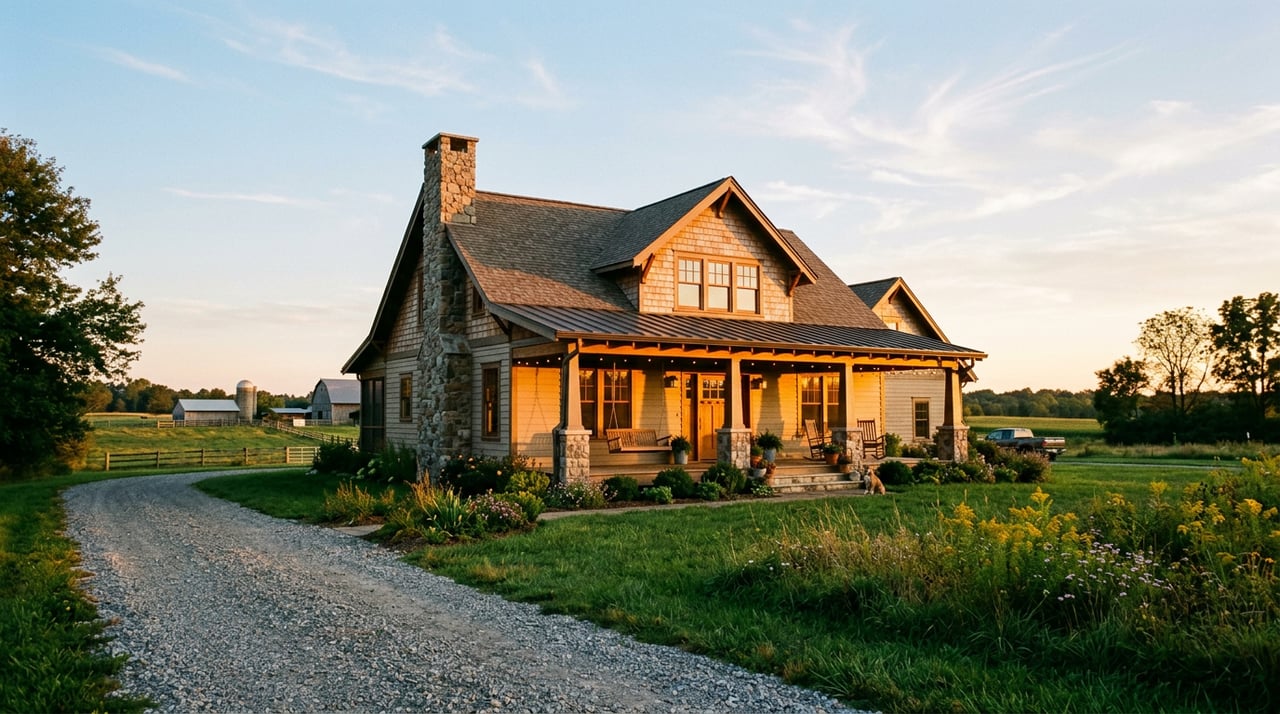
Because Pleasant Hill is part of Lane County’s unincorporated landscape, the area often reads as more rural residential than suburban. Combined with the local housing mix and rural planning context, that helps explain why buyers may find properties with more land, more storage potential, workshops, or room for hobbies and projects.
Current listing examples from competitor sites also reflect that pattern, including acreage properties and homes with large shops or bonus workspaces. Inventory always changes, but the broader takeaway is consistent: Pleasant Hill often attracts buyers who want more than just the house itself.
Who this lifestyle tends to fit
This kind of setup can be a strong match if you want space to spread out while staying connected to Eugene or Springfield. It may also appeal if you are thinking about home projects, need room for equipment or hobbies, or simply want a more private setting.
On the other hand, if you want to walk to a long list of restaurants, shops, or entertainment options every day, Pleasant Hill may feel too quiet. The lifestyle works best when you value space and calm enough to make the extra drive worthwhile.
Questions to ask before you move
Before you buy in Pleasant Hill, it helps to think through how your daily routine would actually work. A home can look perfect on paper, but the right fit comes down to how well it supports your real life.
Here are a few practical questions to consider:
- How often will you commute into Eugene or Springfield each week?
- Do you want quick city access, or do you prefer more privacy at home?
- Would extra land, shop space, or storage improve your day-to-day life?
- Are you comfortable relying on Eugene for many larger errands and activities?
- Do you want a home that gives you more room for projects or future flexibility?
These are the kinds of details that can shape a confident decision. They are also the kinds of details that matter even more when you are comparing in-town homes with rural or acreage-style properties.
Why local guidance matters here
Pleasant Hill is not a one-size-fits-all market. Because it is an unincorporated community with a rural residential feel, buyers often need to weigh commute patterns, land use, property features, and lifestyle priorities at the same time.
That is where steady guidance can make a big difference. If you are trying to decide whether Pleasant Hill fits your next chapter, it helps to work with someone who understands both the Eugene-Springfield corridor and the practical tradeoffs that come with country-style living.
If you are exploring Pleasant Hill or comparing it with other Lane County options, Angela Burrell can help you build a clear plan and find the right fit for your routine, goals, and lifestyle.
FAQs
Is Pleasant Hill a city in Lane County?
- No. Pleasant Hill is an unincorporated community in Lane County, which helps explain its more rural residential character.
How long is the drive from Pleasant Hill to Eugene?
- A typical drive is about 10.7 road miles and roughly 14 minutes by car, according to the research provided.
Is there public transit from Pleasant Hill to Eugene?
- Yes. Lane Transit District Route 92 connects Pleasant Hill with Eugene Station in about 29 minutes, with direct service three times a day Monday through Saturday.
What is everyday life in Pleasant Hill like for commuters?
- Everyday life in Pleasant Hill tends to be quieter and more space-oriented, with local community amenities nearby and many larger shopping, dining, and entertainment needs handled in Eugene.
What kind of homes are common in Pleasant Hill?
- The area is mostly made up of single-unit homes, with high owner-occupancy and a pattern that often supports more privacy, land, and flexible space.
Is Pleasant Hill a good fit for Eugene or Springfield workers?
- It can be a strong fit if you want a manageable commute along with a more rural setting, more room to spread out, and access to outdoor spaces.